
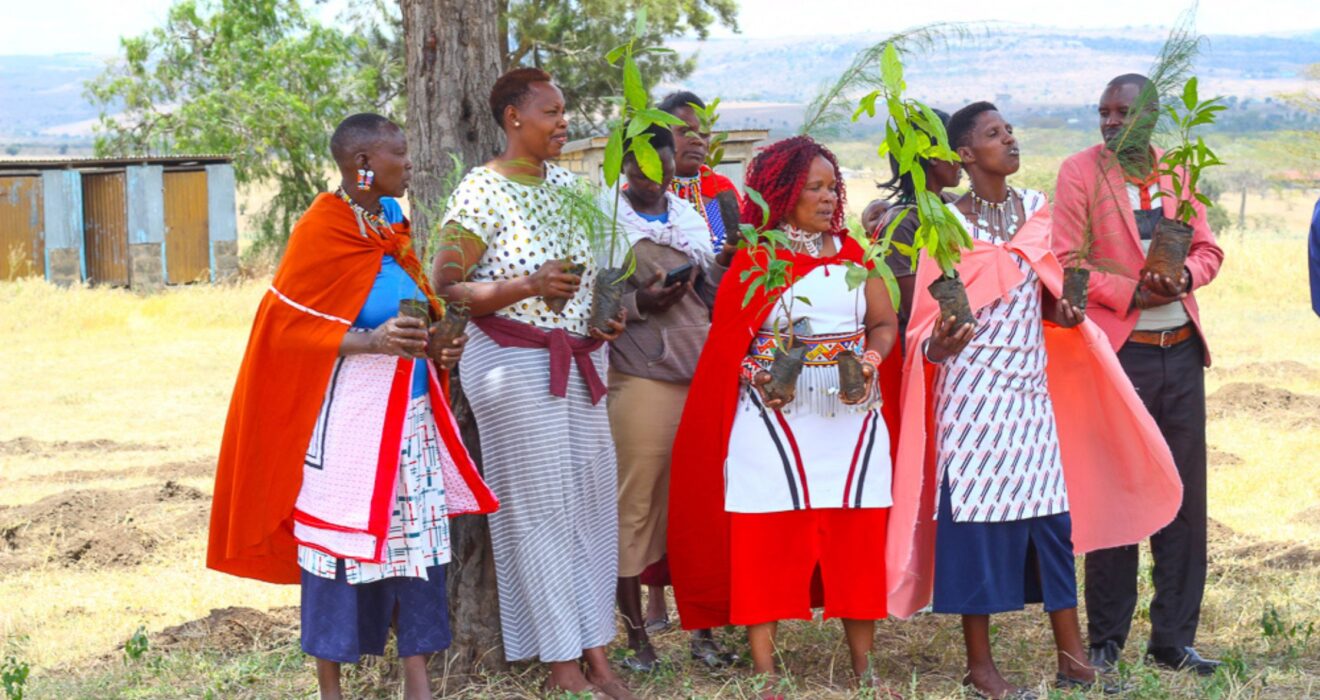
One of the flagship projects that we are implementing at Hearts of Green Organization in collaboration with the Wangari Maathai Institute for peace and Environmental studies is the LANSRET PROJECT. Across the globe, the environmental conversation is rapidly shifting from simply planting trees to restoring entire ecosystems, protecting water systems, strengthening climate resilience, and empowering communities to become active stewards of the environment. From the Amazon rainforest in South America to the Great Green Wall initiative across Africa, nations and organizations are increasingly recognizing that environmental restoration is no longer optional it is essential for human survival.
In countries such as Brazil, massive deforestation in the Amazon has disrupted rainfall patterns and threatened biodiversity at a global scale. In China, the “Grain for Green” program has restored millions of hectares of degraded land to reduce erosion and improve ecological stability. Across the Sahel region of Africa, the Great Green Wall initiative is restoring degraded drylands while improving food security and livelihoods for millions of people. Similarly, in India, community-led watershed restoration projects have revived rivers, improved groundwater recharge, and transformed once drought-prone villages into productive landscapes. These global examples reflect a growing realization that successful environmental restoration must go beyond symbolic tree planting campaigns. Many initiatives worldwide have struggled because trees were planted without long-term care, monitoring, or community ownership, leading to low survival rates and limited ecological impact. Today, emphasis is increasingly being placed on “tree growing” rather than simply “tree planting. “This is where the LANSRET Program becomes highly relevant within the global environmental space. Through the collaborative efforts of Hearts of Green Organization and the Wangari Maathai Institute, LANSRET reflects the new generation of restoration approaches that combine ecological recovery, community engagement, climate resilience, and accountability. By ensuring long-term aftercare for trees, promoting indigenous species, and integrating monitoring systems such as TSNAP, the program aligns with global calls for measurable and sustainable restoration outcomes.
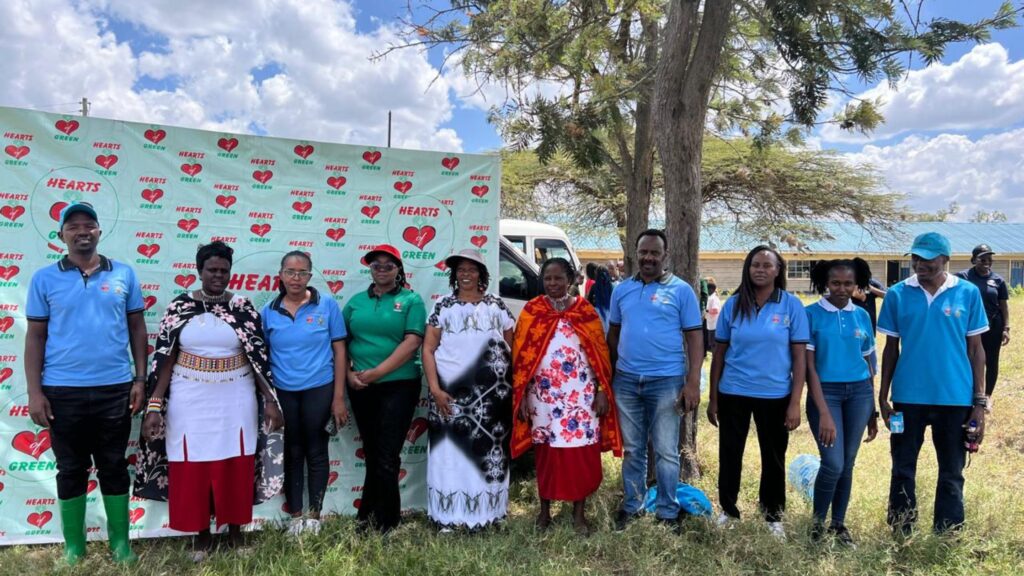
The program’s activities also connect strongly with the growing global focus on the relationship between forests, water, and climate systems. Around the world, forests are increasingly recognized not only as carbon sinks but also as critical regulators of water cycles. The Congo Basin rainforest influences rainfall patterns across Africa, while the Mau Forest Complex in Kenya supports major rivers that sustain millions of livelihoods and contribute to the flow of Lake Victoria and ultimately the River Nile. Protecting landscapes therefore means protecting water security, biodiversity, agriculture, and economies simultaneously. Equally important is the recognition that communities must remain at the centre of environmental action. Globally, restoration efforts that exclude local people often fail, while community-led initiatives tend to achieve more sustainable outcomes. LANSRET’s engagement with schools, universities, local communities, and institutional partners reflects this global shift toward participatory environmental governance and locally driven climate action.
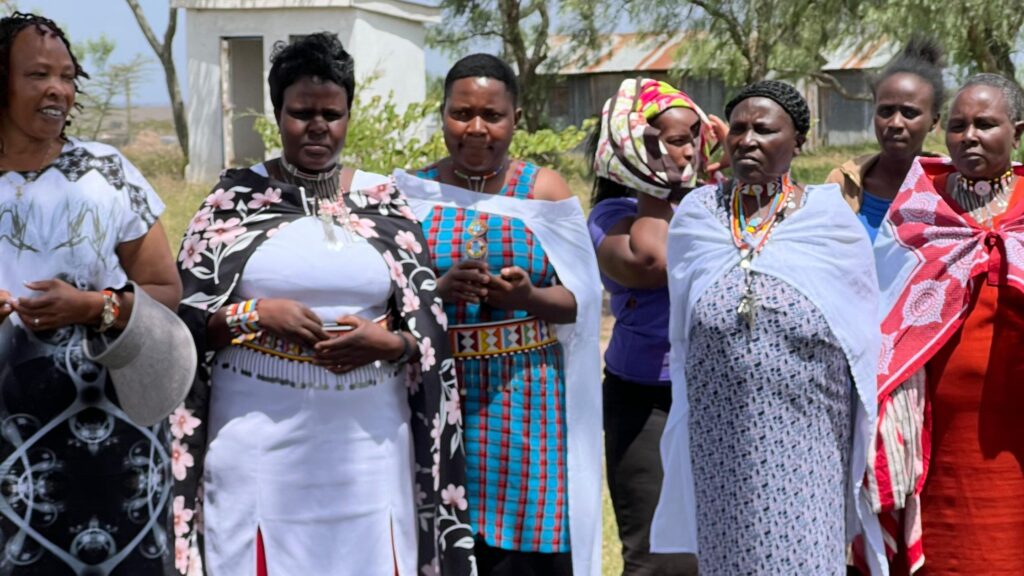
As climate change intensifies and environmental degradation accelerates, The LANSRET program demonstrate that restoration is no longer just about conserving nature it is about rebuilding the relationship between people, ecosystems, and the future of humanity itself. In many ways, the work happening within Kenya’s landscapes mirrors a broader global movement toward resilient, inclusive, and science-driven environmental restoration.
