
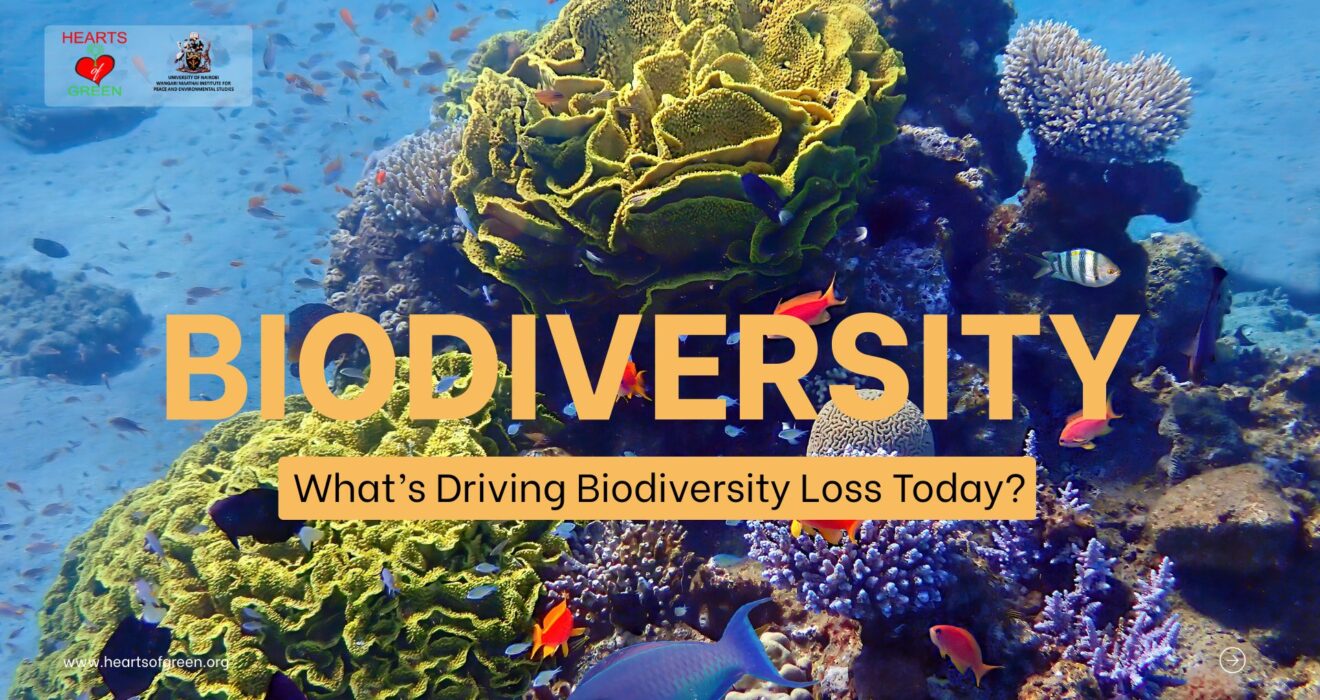
Biodiversity—the rich variety of life on Earth—is essential for healthy ecosystems, climate stability, food security, water security, and human survival. From forests and wetlands to oceans, soils, insects, birds, and microorganisms, every species plays a critical role in maintaining ecological balance.
However, biodiversity is declining at an alarming rate across the globe. Species are disappearing faster than at any other time in human history, ecosystems are becoming more fragile, and natural habitats are continuing to shrink under increasing environmental pressure.
As we approach the International Day for Biological Diversity on May 22, an important question arises: What is driving biodiversity loss today?
1. Land Use Change and Habitat Destruction
One of the primary causes of biodiversity loss is the destruction and fragmentation of natural habitats.
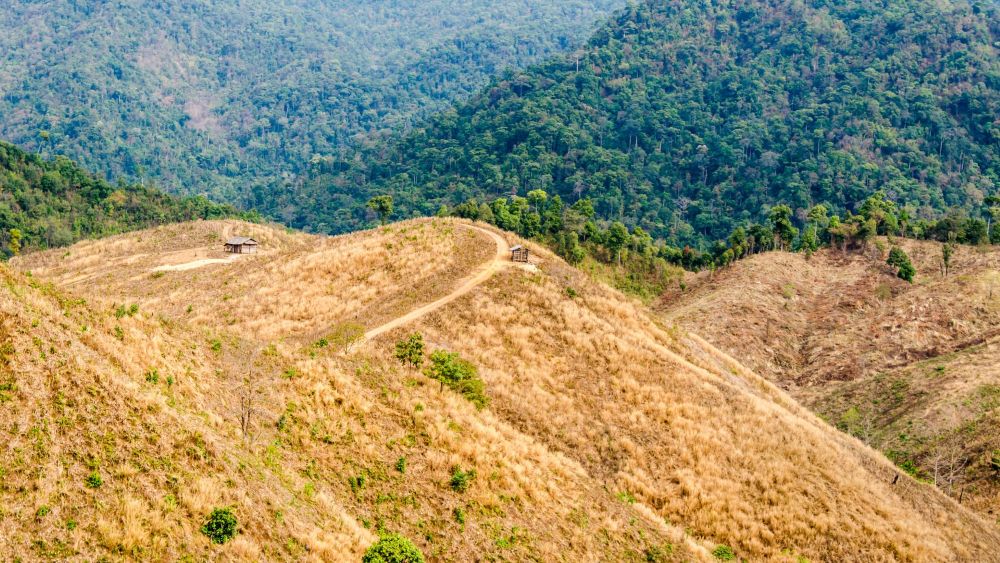
As forests are cleared for agriculture, settlements, infrastructure, mining, and urban expansion, many species lose the environments they rely on for food, breeding, shelter, and survival. Wetlands are drained, mangroves are degraded, and grasslands continue to disappear.
When ecosystems become fragmented, wildlife populations become isolated, making species more vulnerable to extinction. In many parts of Africa and beyond, unsustainable land use practices place additional pressure on biodiversity-rich landscapes.
2. Climate Change
Climate change is rapidly reshaping ecosystems worldwide.
Rising temperatures, prolonged droughts, unpredictable rainfall, floods, wildfires, and extreme weather events are affecting species’ survival and adaptability. Some plants bloom earlier than usual, migration patterns are disrupted, coral reefs bleach due to warming oceans, and many species struggle to cope with changing environmental conditions.
Climate change also exacerbates existing environmental stresses, weakening already vulnerable ecosystems. Biodiversity and climate are deeply interconnected; as biodiversity declines, ecosystems become less resilient to climate impacts.
3. Pollution and Waste
Pollution poses a significant threat to ecosystems on land and in water.
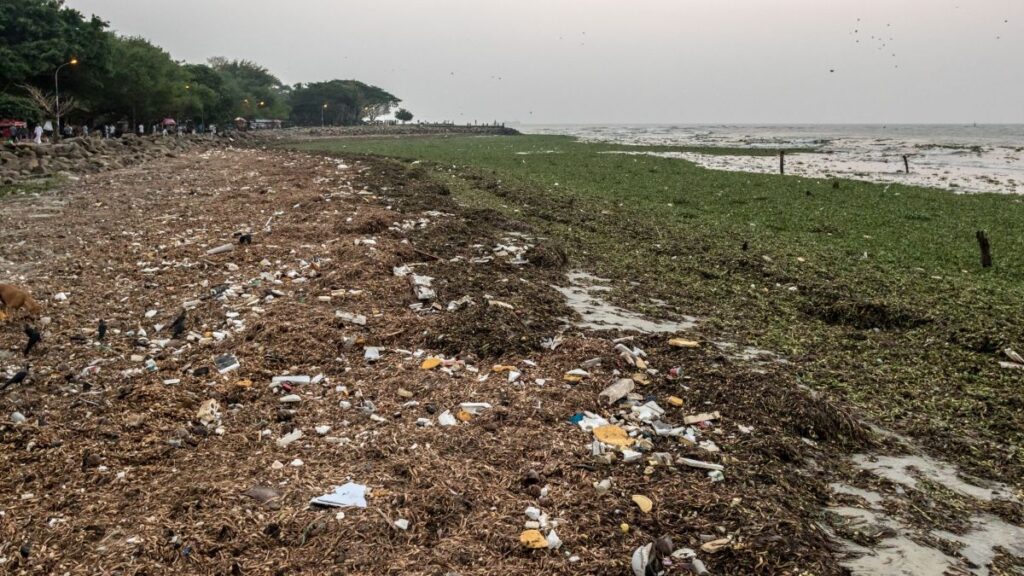
Plastic waste, industrial pollution, agricultural chemicals, pesticides, untreated sewage, and oil spills all contribute to biodiversity decline. Rivers, lakes, oceans, and soils are becoming increasingly contaminated, affecting fish, birds, insects, pollinators, and microorganisms.
Pollinators such as bees and butterflies are especially vulnerable to pesticide use and habitat pollution, which threatens food systems and the overall health of ecosystems. Additionally, air pollution affects forests, soils, and water systems over time.
4. Invasive Species 🦎
Invasive species are non-native plants, animals, or organisms introduced into ecosystems where they do not naturally occur.
These species often spread rapidly, outcompeting native species, altering habitats, and disrupting ecological balance. Invasive plants may dominate landscapes, while invasive insects or animals can threaten local biodiversity and food chains.
When combined with climate change and habitat degradation, invasive species make ecosystem restoration increasingly difficult.
5. Unsustainable Resource Use
Overexploitation of natural resources continues to pressure biodiversity worldwide.
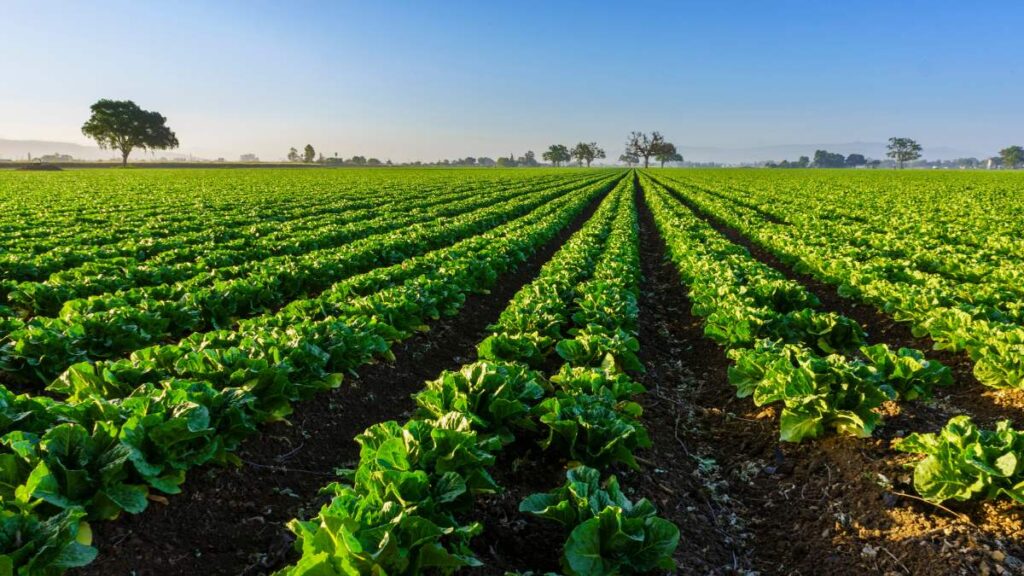
Unsustainable logging, overfishing, charcoal production, illegal wildlife trade, overgrazing, and poor agricultural practices all contribute to ecosystem degradation. When natural resources are used faster than ecosystems can recover, biodiversity declines, and environmental resilience weakens.
Promoting sustainable land management, restoration, and responsible resource use is vital for protecting biodiversity and supporting livelihoods.
Why Biodiversity Loss Matters
Biodiversity loss is not merely an environmental issue, it directly impacts people, economies, health, and future generations. Healthy ecosystems help to:
- Regulate climate
- Support food production
- Maintain water cycles
- Improve soil fertility
- Promote pollination
- Reduce disaster risks
- Sustain livelihoods
When biodiversity declines, ecosystems lose their functionality. Therefore, protecting biodiversity means safeguarding the natural systems that support life itself.
The Role of Restoration and Community Action
Despite these challenges, restoration efforts around the world continue to inspire hope. Community-led initiatives are key to addressing biodiversity loss and rebuilding healthy ecosystems.
