
The World Is Losing Healthy Land, Here’s Why Restoration Can’t Wait
The land beneath our feet is one of our greatest natural assets. It grows our food, filters our water, stores carbon, supports biodiversity, and sustains livelihoods. Yet, around the world, this vital resource is under increasing pressure.
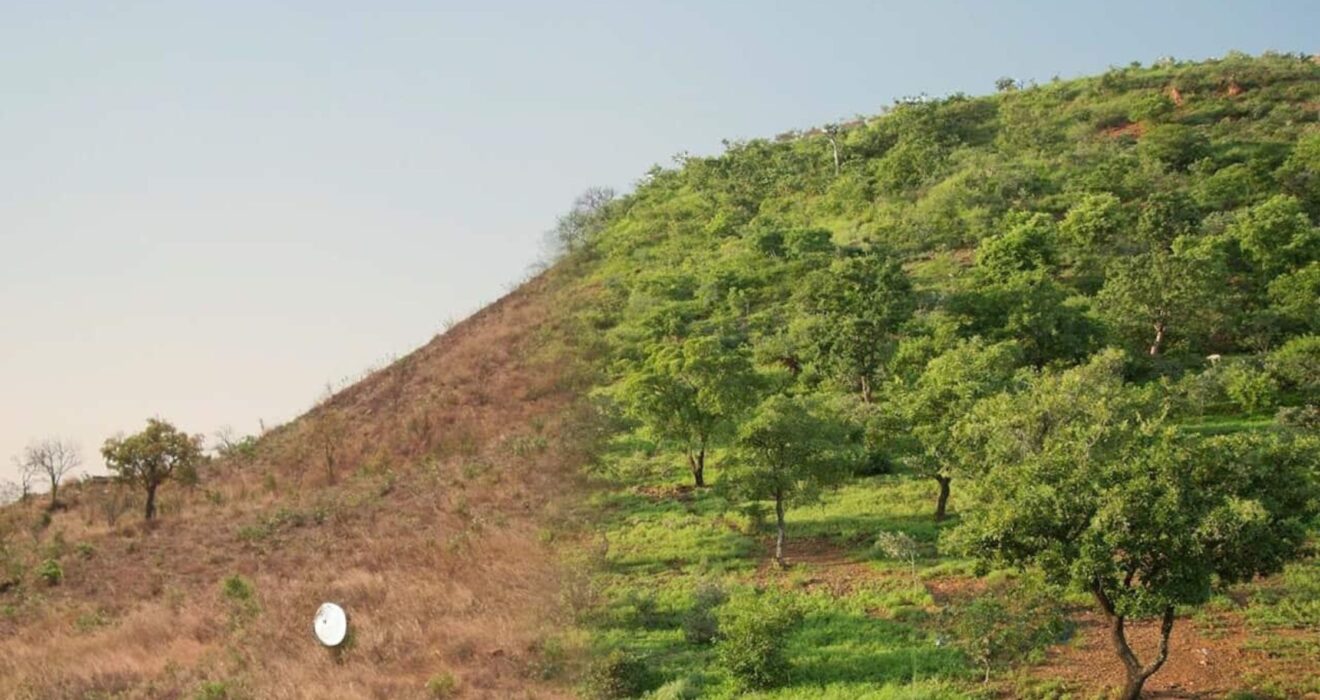
According to the United Nations Environment Programme (UNEP), up to 40% of the world’s land is now degraded, affecting billions of people and threatening food security, water availability, biodiversity, and climate resilience.
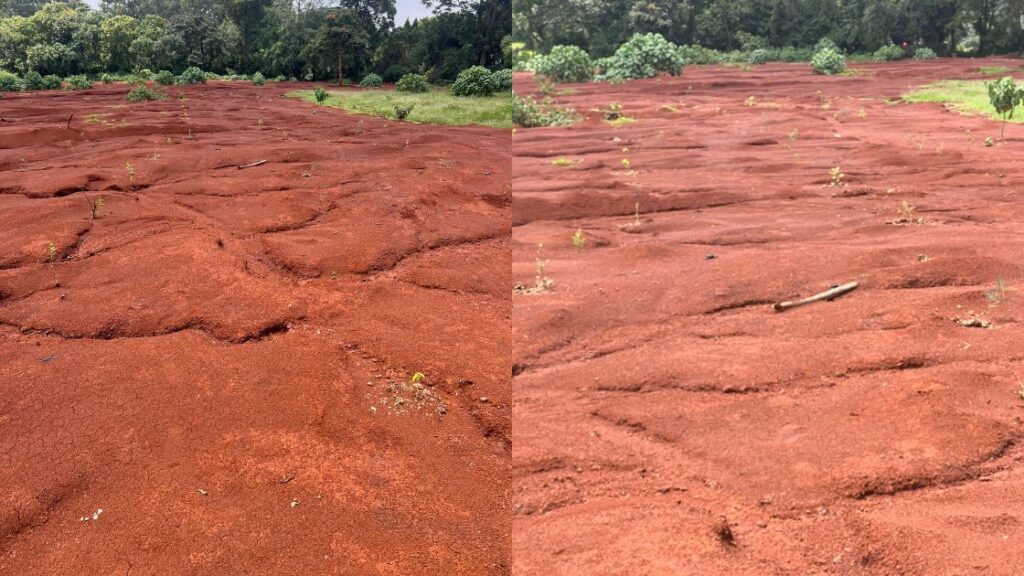
Land degradation occurs when the natural productivity of land declines due to both human activities and climate-related pressures. Some of the leading causes include:
- Deforestation and unsustainable land use
- Soil erosion
- Overgrazing
- Poor agricultural practices
- Urban expansion
- Climate change, including prolonged droughts and extreme weather events
When healthy ecosystems are lost, communities become more vulnerable to food shortages, water scarcity, biodiversity loss, and declining incomes.
Why restoration matters
The encouraging news is that degraded land can be restored.
Landscape restoration goes beyond planting trees. It involves rebuilding healthy ecosystems by restoring forests, protecting water catchments, improving soil health, conserving biodiversity, and supporting sustainable land management.
Healthy landscapes provide countless benefits:
- Store carbon and help mitigate climate change
- Improve water quality and availability
- Increase agricultural productivity
- Protect biodiversity and wildlife habitats
- Build resilience against droughts, floods, and other climate impacts
- Strengthen livelihoods for local communities
Restoration is one of the most effective nature-based solutions available today because it addresses multiple environmental and social challenges at once.
What this means for Kenya
Kenya has made significant commitments toward restoring degraded landscapes through initiatives such as the national 15 Billion Trees Programme, alongside numerous community-led restoration efforts.
Across the country, organizations, institutions, communities, and the private sector are working together to rehabilitate forests, restore water towers, establish tree nurseries, and promote sustainable land management. These efforts not only improve ecosystem health but also create jobs, strengthen local economies, and enhance climate resilience.
Turning commitment into action
At Hearts of Green Organization, we believe restoration is a long-term commitment, not a one-day event.
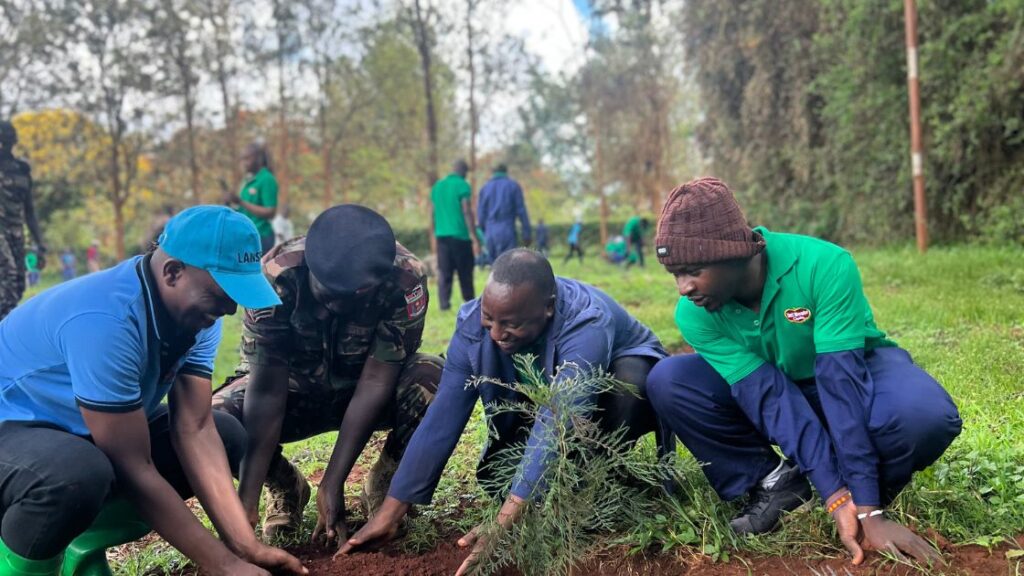
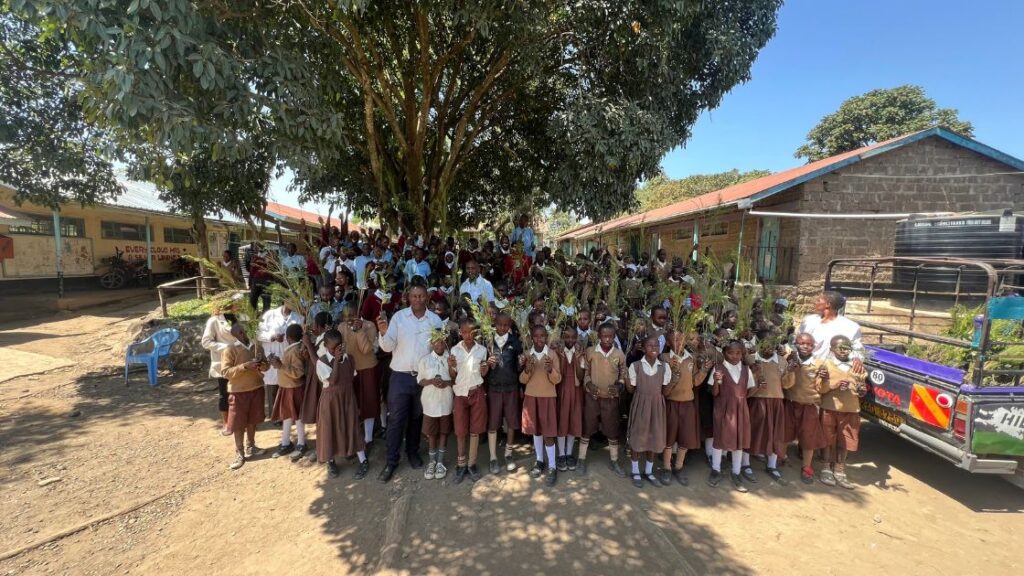
Through the Landscape Repair and Transformation (LANSRET) programme, we work alongside communities, schools, institutions, and partners to restore degraded landscapes using science, technology, and community participation. From establishing tree nurseries and planting indigenous species to monitoring tree survival through TSNAP, every activity contributes to healthier ecosystems and stronger communities.
Restoration is not simply about increasing tree cover. It is about creating landscapes that continue to provide clean water, healthy soils, biodiversity, and sustainable livelihoods for generations to come.
A shared responsibility
The challenges facing our landscapes may be global, but the solutions begin locally.
Every tree planted and cared for, every degraded area restored, and every partnership formed brings us one step closer to a more resilient future. Governments, businesses, institutions, and communities all have a role to play.
The health of our land is inseparable from the health of our people. By investing in restoration today, we are investing in food security, climate resilience, biodiversity, and the well-being of future generations.
