
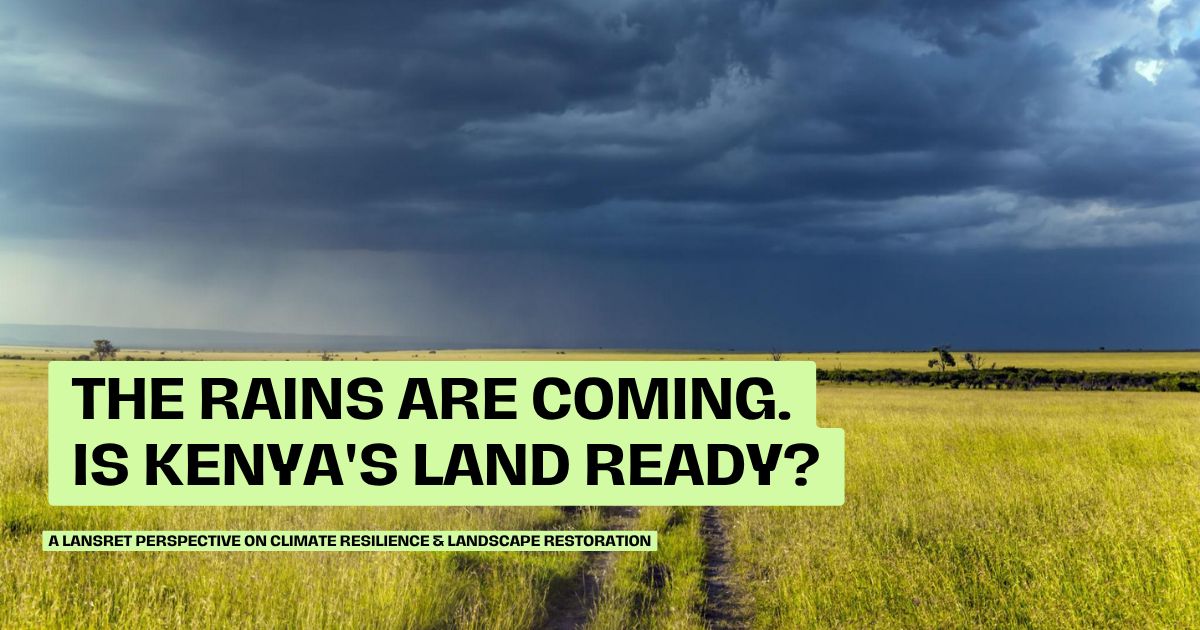
The Rains Are Coming. Is Kenya’s Land Ready?
For many Kenyans, the arrival of the rains is a moment of great relief. The dry landscapes begin to turn green, water sources are replenished, farmers prepare their fields, and the potential for a fruitful season returns.
However, this year the discussion about rainfall carries a different sense of urgency. El Niño has developed in the tropical Pacific and is expected to strengthen into a significant event. The World Meteorological Organization (WMO) has warned of notable shifts in rainfall patterns and an increased risk of extreme weather in various parts of the world. Additionally, the current WMO outlook indicates a developing positive Indian Ocean Dipole, another climate factor that can impact weather patterns across the region.
For Kenya, this situation raises an important question:
Is our land ready?
The rains are coming.
Rainfall is not just about the volume of rain that falls. Factors such as where it falls, how quickly it falls, and the condition of the land play crucial roles.
A healthy landscape can slow down water, allow more of it to soak into the soil, reduce erosion, and provide habitats for plants and wildlife. Conversely, a degraded landscape often struggles to absorb heavy rainfall, causing more water to flow across the surface and carry away valuable topsoil.
This is why climate preparedness should go beyond just weather forecasts and emergency responses. We also need to focus on preparing the land.
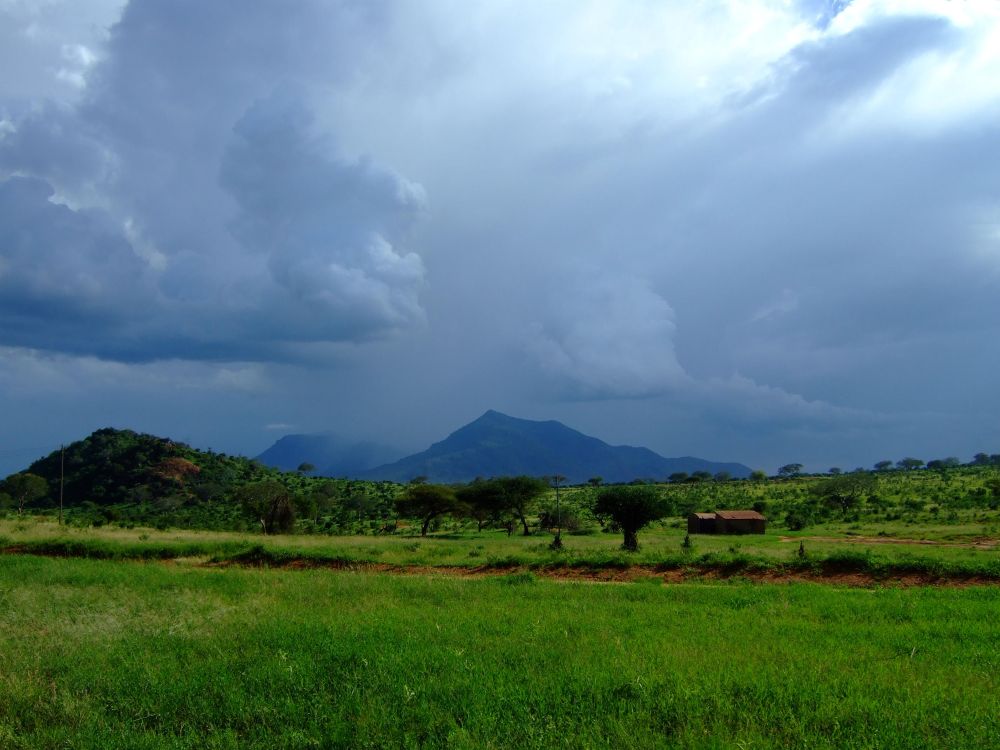
When Healthy Landscapes Encounter Heavy Rain
Imagine a landscape lush with vegetation. Trees and grasses work together to hold the soil in place. Roots create pathways that allow water to penetrate the soil. Vegetation slows down surface runoff, while wetlands and well-maintained catchment areas help regulate water flow.
These natural systems do not completely eliminate the risks associated with extreme rainfall, but they play a crucial role in enhancing a landscape’s resilience. Additionally, their benefits extend beyond just managing rainfall. Healthy landscapes support biodiversity, ensure water security, promote soil health, and contribute to the livelihoods of communities.
When Degraded Landscapes Encounter Heavy Rain
Now, picture the opposite scenario. In a landscape with bare or heavily degraded soil, there are fewer roots to hold the soil together, and vegetation cover is limited. As a result, water flows swiftly across the surface, carrying soil away with it.
This can lead to erosion, sediment buildup in water systems, damage to vegetation, and increased pressure on already vulnerable areas. This is why restoration efforts are not just a response to environmental degradation; they are essential for rebuilding resilience in our landscapes.
It is part of climate preparedness.
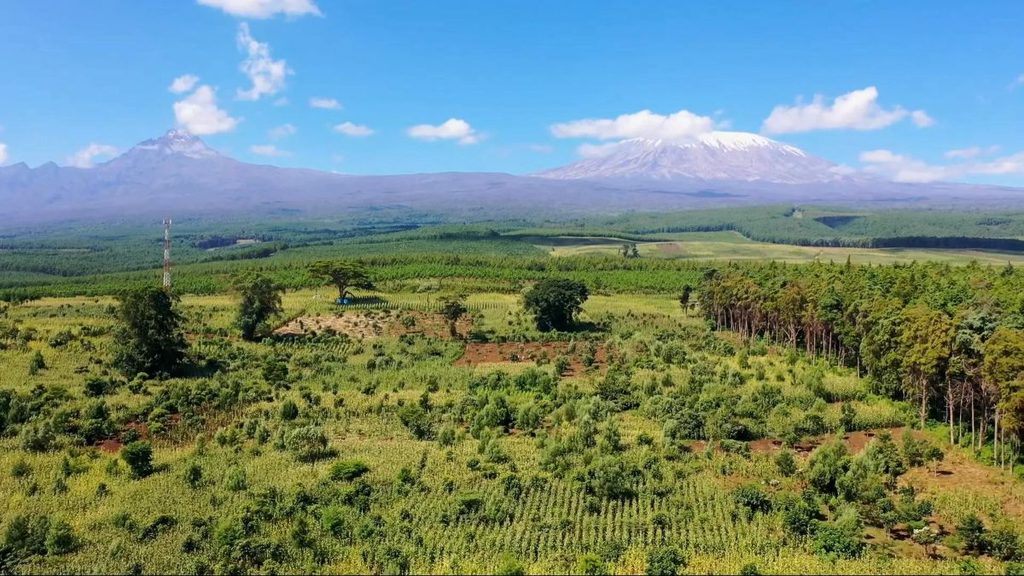
Restoration is More Than Just Planting Trees
We need to rethink what we mean by restoration. Planting a tree is only one step in the process. Effective restoration involves several important actions, including:
- Preparing the site
- Selecting appropriate species
- Planting correctly
- Protecting seedlings
- Controlling competing vegetation
- Monitoring survival rates
- Replacing any losses
- Caring for the landscape over time
At LANSRET — Landscape Repair and Transformation — our approach focuses on this long-term perspective. Our motto is: Plant. Care. Monitor. Learn. Adapt. Restore. The goal isn’t just to increase the number of trees on a spreadsheet; it’s to ensure that the trees thrive and that the overall landscape becomes healthier.
Seizing the Opportunity Before the Rains
As the rainy season approaches, there’s a valuable opportunity for organizations, institutions, communities, and individuals to think beyond a single day of tree planting. For corporations and institutions planning their environmental Corporate Social Responsibility (CSR) initiatives, now is the time to consider:
- Where can we restore landscapes?
- What areas need attention?
- Who will be responsible for caring for what we plant?
- What will success look like after the planting day?
Climate action becomes truly meaningful when it evolves from a one-time event into a continuous commitment. The rains will come — the real question is, what will they encounter when they do? A degraded landscape?
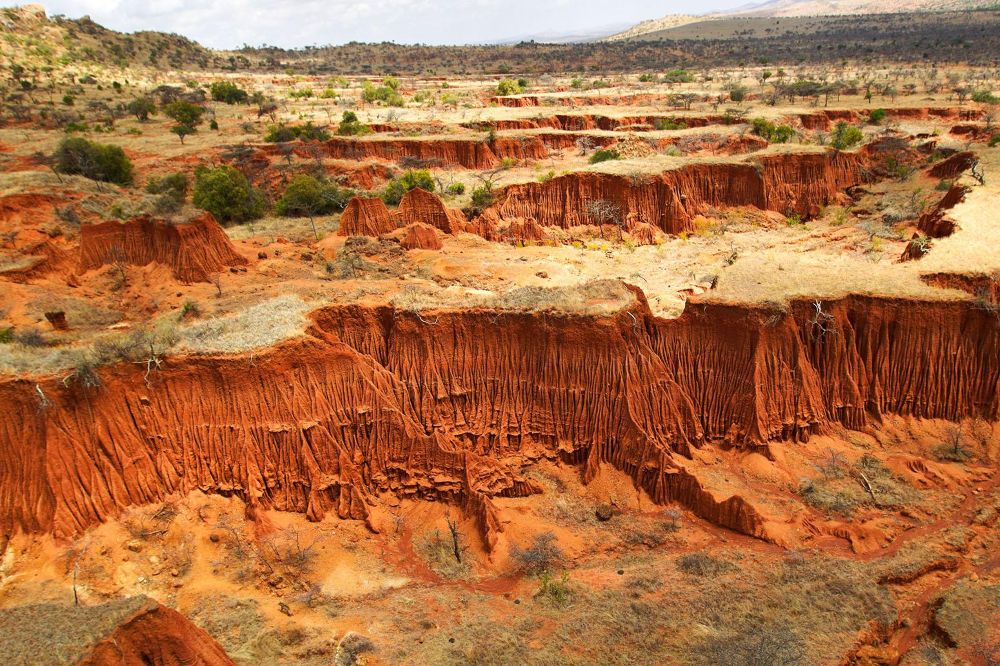
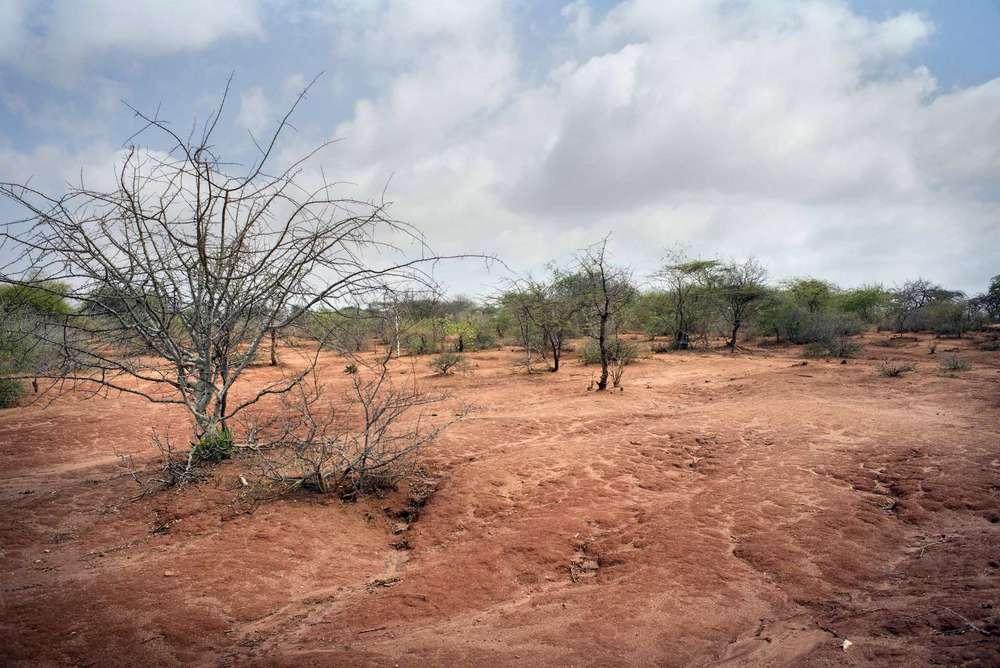
Is it time for landscape restoration?
The climate is changing, and while we cannot control every rainfall event, we can make choices that affect the condition of our landscapes, the resilience of our ecosystems, and the investments we make today.
This rainy season, let’s not just wait for the rain; let’s prepare the land for it.
At LANSRET, we believe that restoration is one way to transform climate challenges into opportunities to create healthier, greener, and more resilient landscapes for Kenya. 🌿🇰🇪
The rains are coming—let’s ensure our land is ready.
