
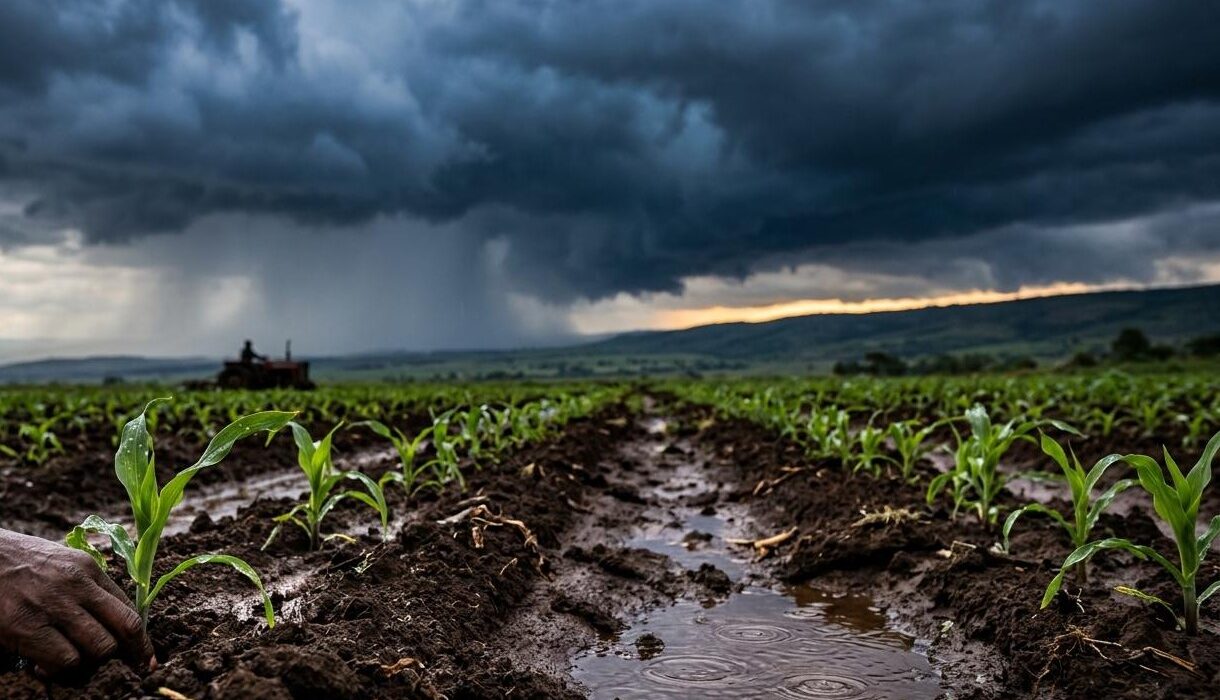
El Niño Is More Than Rain: What Does It Mean for Kenya’s Landscapes?
When we hear El Niño, we often think of heavy rain. But El Niño is more than just rainfall.
It is a climate pattern that can influence rainfall and temperature patterns in Kenya. In some areas, it can bring heavier rainfall, increasing the risk of flooding, soil erosion and runoff.
But how much damage this causes also depends on the condition of the landscape.
🌧️ When Rain Meets the Land
On bare or degraded land, heavy rainfall can quickly become surface runoff. Water can carry away fertile topsoil, create erosion and damage farms, roads and other infrastructure.
Healthy landscapes are better equipped to manage rainfall. Vegetation can slow the movement of water, while healthy soils allow more water to infiltrate into the ground and help reduce soil loss.
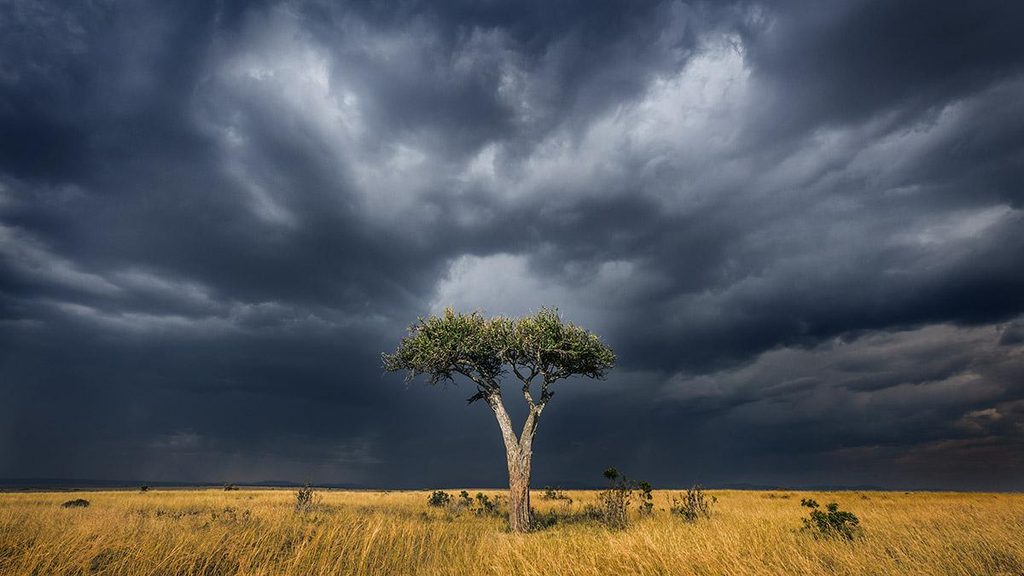
🌱 Why Landscape Restoration Matters
This is why restoration is important—not only after environmental damage has occurred, but also as part of building resilience before extreme weather arrives.
Growing and caring for trees, protecting vegetation and improving soil health can help landscapes better withstand changing weather conditions.
At LANSRET (Landscape Repair and Transformation Programme), restoration goes beyond planting day. We focus on growing trees, protecting them, monitoring their survival and caring for them over time so they can contribute to healthier and more resilient landscapes.
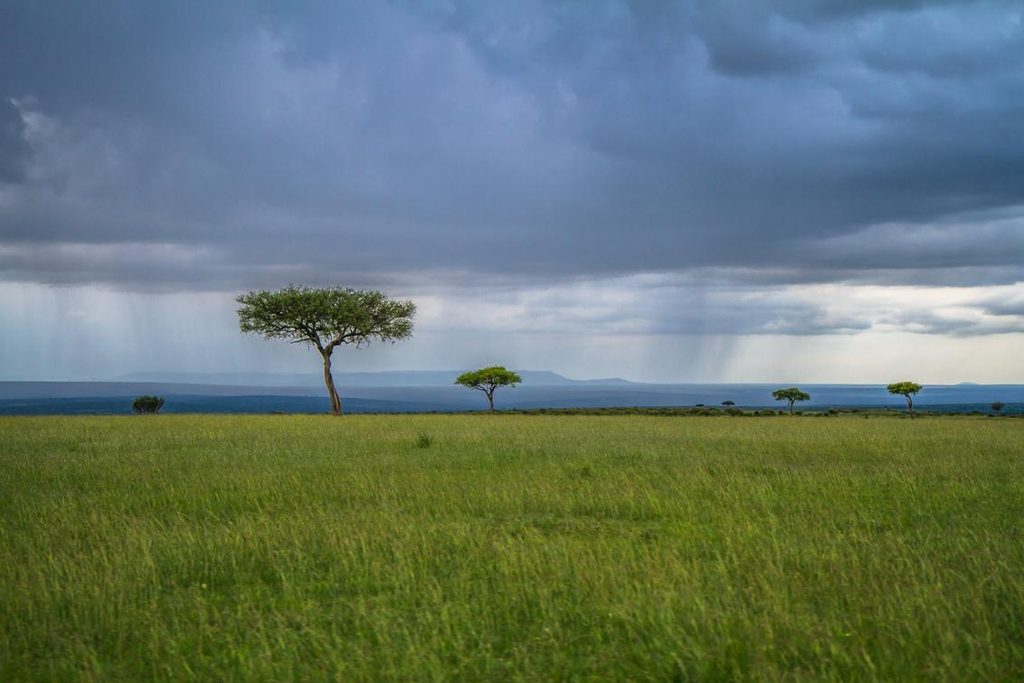
El Niño reminds us that restoration is not simply about having more trees. It is about building landscapes that can continue to support people, biodiversity and ecosystems through changing conditions.
The rains may come. The bigger question is: what will our landscapes do with them? 🌿